
Vegetables
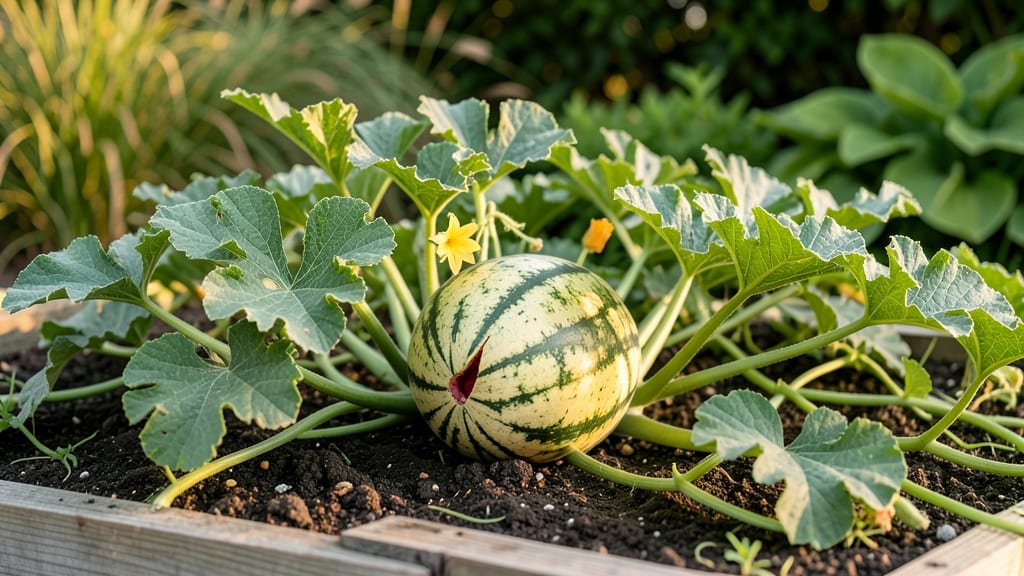
Growing a crimson watermelon plant means turning your garden into a summer oasis of deep red flesh and explosive sweetness—exactly the kind that makes neighbors ask where you bought it. 🌱 I’ve grown these vines for three seasons now, and every bite of that juicy center makes me wonder why I ever settled for store-bought melons.
The secret isn’t just patience; it’s knowing when to prune those sprawling vines, how to balance water without cracking the fruit, and when to stop worrying about pests.
The crimson watermelon isn’t your average garden melon—it’s bold, with thick rinds that resist rot and a flavor so rich it tastes like liquid sunshine. You’ll need 100 warm days of growing season, full sun, and soil so fertile it could make a chef jealous.
The vines spread fast, so plan for 10–15 feet of space or train them up a trellis if you’re short on ground. Most beginners underestimate how much room these plants need, but with a little prep, you’ll avoid the heartbreak of stunted fruit.
By mid-summer, you’ll be harvesting 8–12 pound melons with rinds so deep crimson they look like they’re glowing from the inside. The first slice reveals juicy, seedless (or nearly so) flesh that’s sweeter than anything you’ve ever tasted fresh off the vine.
The key is letting the tendril near the fruit dry out—yes, really—so the melon knows it’s time to ripen. No more guessing when it’s ready; you’ll hear it thud against the ground when it’s perfect.
This variety thrives in zones 4–10, but even in cooler climates, you can extend the season with black plastic mulch or a cold frame. The real magic happens when you share slices with friends who’ve never tasted a watermelon this vibrant.
Trust me, once you grow one, you’ll never buy another from the store again.
📚 In This Guide
- What you need
- Instructions
- Tips and common mistakes
- Wrapping up and next steps
What you need
- ● Crimson Watermelon Seeds: 3–5 seeds (or 1–2 seedlings if transplanting). Opt for heirloom or hybrid varieties like 'Crimson Sweet' or 'Moon and Stars' for bold flavor and color.
- ● Containers or Garden Bed: For containers: 5-gallon pots or larger (watermelons need space—at least 2–3 feet in diameter per plant). Use black or dark-colored pots to absorb heat.
- ● For garden beds: Full sun (6–8+ hours daily) and well-draining soil with 6.0–6.8 pH. Amend clay soil with compost.
- ● High-Quality Potting Mix: 1–2 bags of well-draining, organic mix (e.g., 60% peat/compost, 30% perlite, 10% vermiculite). Avoid heavy garden soil.
- ● Fertilizer: Balanced 10-10-10 fertilizer (1 tbsp per plant at planting).
- ● Slow-release organic fertilizer (e.g., worm castings or compost tea) mid-season for vines.
- ● Mulch: Straw or black plastic mulch (1–2 inches thick) to retain moisture and warmth.
- ○ Trellis or Support (Optional but Helpful): A 5–6 foot tall trellis or cage to train vines (reduces sprawl and improves fruit access).
- ● Hand Trowel & Pruners: For planting and trimming vines.
- ● Watering Can or Drip Irrigation: Watermelons need 1–2 inches of water weekly (more in heatwaves).
- ● Gloves & Sunscreen: Protect your hands and skin—those vines can be spiky!
- ● Soil pH Test Kit: Ensure your soil is in the ideal range (adjust with lime or sulfur if needed).
- ○ Shade Cloth (Optional): Lightweight fabric (30–50%) to protect seedlings from intense midday sun in hot climates.
Step-by-step instructions for growing crimson watermelon plants
Here's how to coax those bold vines and sweet, juicy fruit from seed to harvest.
🌱 Step 1: Start Seeds Indoors for a Head Start
Fill the 4 biodegradable seedling pots with the 2 cups of seed-starting mix each, pressing it down lightly to remove air pockets. Crimson watermelon seeds need warmth to germinate, so place the pots on a seedling heat mat set to 80-85°F. This ensures faster germination and stronger seedlings.
Plant 2 seeds per pot, about 1 inch deep, using the tweezers to handle them gently. Cover with a light sprinkle of additional mix and mist the surface until evenly damp. Keep the pots covered with plastic wrap to retain moisture and warmth. You'll see sprouts in 5-10 days—don't be tempted to water again until the soil feels dry to the touch.
☀️ Step 2: Harden Off and Transplant After Frost
Once seedlings have 2-3 true leaves and the nighttime temperatures stay above 55°F, it's time to move them outside. Start by placing the pots in a sheltered spot for 2-3 hours daily, gradually increasing their outdoor time over 7-10 days. This process, called hardening off, helps the seedlings adjust to wind and sun without shock.
After the last frost date, transplant the strongest seedling from each pot into the prepared garden bed. Space them 3 feet apart in rows 5 feet apart to give the vines room to sprawl. Crimson watermelons are vigorous climbers, so make sure they have plenty of space to avoid competition. Plant in the morning to reduce transplant shock, and water deeply right after.
💧 Step 3: Maintain Consistent Water and Support
Watermelons need 1-2 inches of water per week, especially during flowering and fruiting. Use the drip irrigation system to deliver water directly to the base of the plants, keeping the foliage dry to prevent disease. Mulch with the 2 yards of straw around each plant to retain moisture and suppress weeds. You'll know you're on track when the soil feels consistently moist but not soggy.
As the vines grow, train them up the trellis using the soft plant ties. Crimson watermelons can produce heavy fruit, so the trellis helps support the weight and keeps the melons off the ground. Prune any side shoots that form in the leaf axils to direct the plant's energy into fewer, larger fruits. Watch for the first male flowers—they appear before female flowers and have a small stem with no swelling at the base.
⏰ Step 4: Monitor Growth and Harvest at Peak Ripeness
Female flowers will have a small swelling at the base where the fruit forms. After pollination, this swelling grows into a watermelon. Crimson watermelons typically mature in 75-90 days, so keep an eye on the fruit as the season progresses. You'll know they're ready when the tendril near the stem turns brown and the fruit sounds hollow when tapped.
Harvest in the morning when the fruit is cool, using the pruning shears to cut the stem about 1 inch from the melon. Avoid dragging the fruit along the ground to prevent bruising. Once harvested, store the watermelons in a cool, dry place away from direct sunlight. You'll love the deep red flesh and sweet flavor of these homegrown Crimson watermelons—worth every step of the process!
Tips & tricks for perfect crimson watermelon growth
Here's what I've learned from growing these vibrant watermelons that'll help you avoid common pitfalls and maximize your harvest.
The Heat Factor: That 80-85°F heat mat temperature is non-negotiable for germination. I learned this the hard way—seeds left at room temperature took twice as long to sprout and were much weaker. If you don't have a heat mat, place your pots on top of your refrigerator (not inside) for consistent warmth. The goal is to mimic the warm soil conditions these tropical plants crave.
Seedling Selection Tip: When you have two seedlings per pot, don't just pull the weaker one—give them both a chance to grow for 5-7 days first. The stronger seedling often becomes obvious when one grows significantly faster or has more vibrant leaves. This extra week gives you time to identify your winner before transplanting.
Harden Off Strategically: During the 7-10 day hardening off period, I've found that gradually increasing outdoor time by just 30 minutes each day works best. On cloudy days, you can extend the time slightly since direct sun is less intense. Watch for any wilting—if you see this, bring them back inside for another day of acclimation.
Watering Wisdom: Those 1-2 inches of water per week are crucial, but timing matters just as much. Water in the early morning so foliage has time to dry before evening. I've noticed that watermelons grown with consistent morning watering develop fewer disease issues and sweeter fruit. The drip irrigation system helps deliver water exactly where it's needed without wetting leaves.
Pro Tips for Crimson Watermelon Plant
- Here's what I've learned from growing these vibrant watermelons that'll help you avoid common pitfalls and maximize your harvest.
- The Heat Factor: That 80-85°F heat mat temperature is non-negotiable for germination.
- Seedling Selection Tip: When you have two seedlings per pot, don't just pull the weaker one—give them both a chance to grow for 5-7 days first.
Frequently asked questions
Got questions about growing crimson watermelon plants? You’re not alone! Here are answers to the most common queries—from planting to harvest—so you can grow bold, juicy fruit with confidence.
How long does it take for a crimson watermelon plant to produce fruit?
A crimson watermelon plant typically takes 70–90 days from seed to harvest, depending on your climate and growing conditions. Start seeds indoors 4–6 weeks before your last frost, then transplant seedlings after soil temps hit 70°F+ (21°C+). Patience pays off—let the vines spread and flowers bloom before expecting fruit!
What’s the best temperature range for growing crimson watermelons?
Crimson watermelons thrive in warm weather, with ideal daytime temps between 75–90°F (24–32°C). They’re sensitive to frost (below 50°F/10°C) and may struggle in extreme heat (above 95°F/35°C). Use row covers early in the season or mulch to regulate soil temps. If you’re in a cooler zone, opt for shorter-season varieties or extend the season with a greenhouse.
Why aren’t my crimson watermelon flowers turning into fruit?
Missing fruit? Check these common culprits:
- Insufficient pollination: Hand-pollinate flowers with a small brush if bees are scarce.
- Temperature stress: Extreme heat or cold can halt fruit set. Provide shade cloth if temps exceed 90°F (32°C).
- Nutrient deficiencies: Yellow leaves? Boost nitrogen and potassium with compost or a balanced fertilizer.
- Overcrowding: Give vines 3–4 feet of space to sprawl and thrive.
Can I grow crimson watermelons in containers, and what size pot do I need?
Yes! Crimson watermelons adapt well to containers if you choose bush or dwarf varieties (like ‘Crimson Sweet’). Use a pot at least 15–20 gallons with drainage holes, filled with lightweight potting mix. Place the container in a sunny spot (6+ hours of light) and train vines with a trellis or cage. Just be prepared for smaller fruit—expect 3–5 lbs per melon vs. 10+ lbs in the ground.
What’s a good alternative if crimson watermelon plants don’t thrive in my climate?
If your zone is too short or hot for crimson watermelons, try these low-maintenance alternatives:
- Sugar Baby watermelons: Compact vines, 60–70 day harvest, and sweeter flavor.
- Yellow Doll watermelons: Small, fast-growing, and perfect for containers.
- Cantaloupe or honeydew: Similar care but often more heat-tolerant.
- Winter melons (ash gourds): Cold-hardy and great for storage.
Pro Tip: Boost your harvest with these tricks!
- Mulch heavily to retain moisture and prevent soil-borne diseases.
- Water deeply 1–2x/week (avoid wetting leaves to prevent powdery mildew).
- Prune excess vines to redirect energy to fruit production.
- Monitor soil pH (6.0–6.8)—test kits are cheap and make a big difference!
Wrapping up and next steps
Growing a crimson watermelon plant is a rewarding journey that combines bold aesthetics with delicious harvests—all in one vibrant season! 🌱 Whether you're a seasoned gardener or a curious beginner, these striking plants offer a mix of beauty and bounty, perfect for adding a pop of color and flavor to your garden.
Now that you’re armed with the right knowledge, it’s time to roll up your sleeves and get planting!
Ready to dive in? Start by sketching your garden layout or prepping your soil this weekend—your future watermelons (and Instagram-worthy vines) are waiting! 🍉✨