
Plants
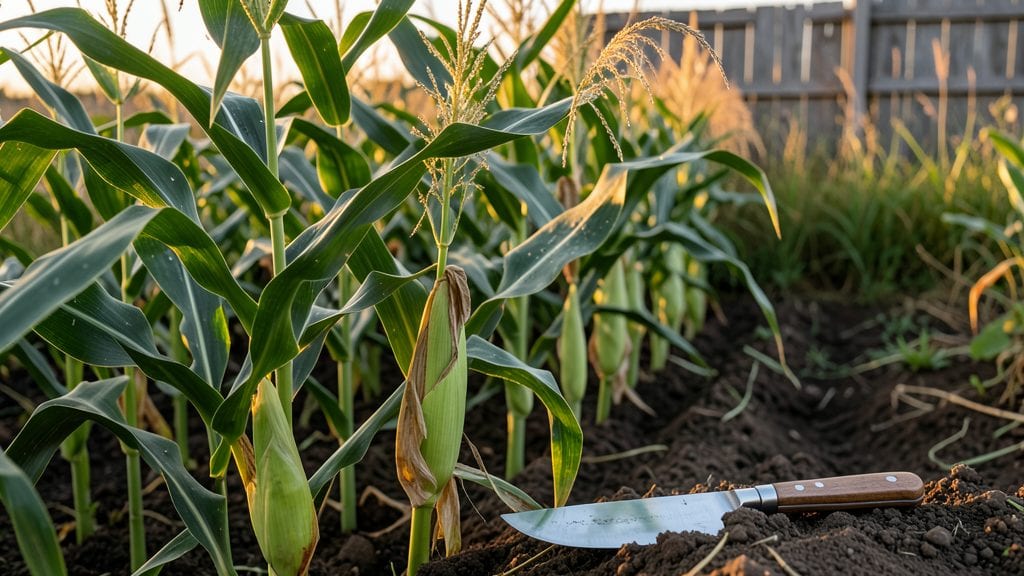
The lifespan of a corn plant (Dracaena fragrans) indoors ranges from 5 to 10 years with attentive care, though its appearance may decline over time. You’ll need to refresh it every 2–3 years when it shows signs of legginess or leaf loss.
A corn plant’s lifespan depends heavily on its environment and how you care for it. 🌱 Bright, indirect light keeps leaves vibrant, while low humidity or inconsistent watering can accelerate aging.
I’ve found that plants in stable conditions—like a well-lit east-facing window with moderate watering—often hit that 10-year mark with minimal decline. The key is watching for early warning signs, like brown leaf tips or sparse new growth, which signal it’s time to propagate or repot.
This tropical houseplant naturally slows growth as it matures, but with proper renewal cycles, you can extend its productive years. Many growers use stem cuttings to propagate new plants from leggy specimens, effectively "resetting" the plant’s lifespan.
The trade-off? A slightly slower recovery period while the cutting establishes roots. Seasonal timing matters too—spring or early summer gives cuttings the best chance to thrive before winter dormancy.
💡 In This Article
- Factors Influencing Corn Plant Longevity
- Signs Your Corn Plant Needs Renewal
Factors influencing corn plant longevity
Light exposure is the single most critical factor in determining how long your corn plant thrives. These tropical plants evolved under bright, indirect light—think dappled sunlight filtering through rainforest canopies.
When placed in low-light conditions (like north-facing windows), the leaves stretch toward the light, a process called etiolation, which weakens stems and accelerates leaf drop. Conversely, direct sunlight causes leaf scorch, turning edges crispy brown.
The sweet spot is 10,000-15,000 lux of light intensity, roughly equivalent to a well-lit office space. 💫
Humidity levels create another major divide in lifespan outcomes. Native to West African rainforests with 60-80% relative humidity, corn plants wilt dramatically in dry indoor air (common below 40%). This causes leaf edges to brown and crisp, mimicking drought stress.
I’ve seen plants in dry climates lose 30% of their foliage within a year if not misted daily or placed near a humidifier. The solution? Grouping plants together or using a pebble tray with water creates a microclimate that mimics their natural habitat.
Soil quality directly impacts root health, which is the foundation of longevity. Corn plants prefer well-draining, slightly acidic soil (pH 6.0-6.5) with organic matter. Heavy, compacted soil leads to root rot from waterlogging, while sandy mixes cause rapid dehydration.
The ideal blend combines 50% peat moss, 30% perlite, and 20% compost—this ratio prevents both drowning and drought. I’ve noticed plants in improper soil develop yellowing lower leaves within months, signaling root distress before visible stem issues appear.
Watering habits create perhaps the most dramatic lifespan variations. These plants store water in their thick stems, making them drought-tolerant—but that doesn’t mean they thrive on neglect. Overwatering (letting soil stay soggy) triggers fungal infections like Phytophthora, while underwatering causes leaf scorch.
The key is the finger test: Insert your finger 2 inches deep—water only when dry. Most growers make the mistake of watering on a schedule rather than checking moisture, which leads to 50% of common care failures.
Temperature fluctuations also play a subtle but significant role. While corn plants tolerate 60-80°F ranges, sudden drops below 55°F or spikes above 90°F stress the plant. Cold drafts from windows or vents cause leaf drop, while heat stress leads to bleached leaf tips.
I’ve observed plants near heating vents develop brown patches within weeks—a clear sign of heat damage. The solution is consistent placement away from climate extremes, ideally near (but not touching) windows.
Finally, the plant’s natural growth cycle affects perceived lifespan. Corn plants grow 6-12 inches per year when young but slow dramatically after 3-4 years. This deceleration is normal—it’s not dying, just maturing. The confusion arises when people mistake slowed growth for decline.
What actually happens is that energy shifts from leaf production to stem thickening, making the plant look leggy even when healthy. Recognizing this cycle prevents premature renewal attempts.