
Diseases
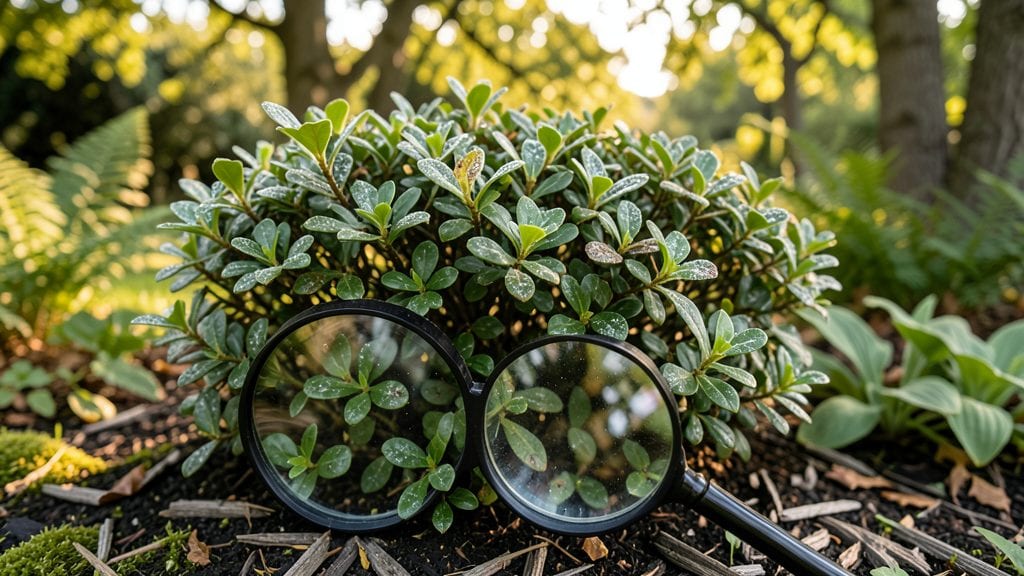
Boxwood plant diseases can turn your neat, evergreen hedges into a sad, brown mess if you don’t catch them early. I’ve seen healthy boxwoods go from glossy green to crispy in weeks, and the key to saving them is spotting the symptoms before they spread.
The most common culprits are fungal infections like boxwood blight and root rot, along with bacterial leaf spot—all of which thrive in damp, shaded conditions. The good news? With the right prevention and quick action, you can stop them in their tracks.
Here’s the thing—most boxwood diseases start small, often as tiny black or brown spots on leaves or stems. Boxwood blight, for example, creates dark, sunken patches that spread like wildfire in humid weather, while bacterial leaf spot shows up as water-soaked lesions that turn yellow.
Root rot, on the other hand, sneaks up when soil stays too wet, causing leaves to yellow and wilt even when you water normally. The sooner you recognize these signs, the easier it is to treat them before they ruin your plants.
You’ll want to tackle these issues with a mix of cultural fixes and targeted treatments. Prune out infected branches immediately (don’t compost them—bag and trash them), improve airflow around your plants, and avoid overhead watering.
For fungal diseases, a copper-based fungicide applied at the first sign works wonders, while bacterial issues might need a fixed copper spray or even a neem oil solution for organic control. The goal is to act fast and break the cycle before your boxwoods become a lost cause.
This isn’t just about saving your plants—it’s about keeping your landscape looking sharp all season. With the right approach, you can prevent future outbreaks and enjoy those neat, tidy boxwoods for years to come.
Let’s get into the specifics so you can spot and stop these diseases before they take hold.
Underlying Causes of Boxwood Ailments
Boxwoods (Buxus spp.) are prized for their glossy foliage and tidy growth, but they’re also vulnerable to a range of fungal and bacterial diseases. Understanding why these issues arise is the first step to preventing them.
Let’s break down the root causes—literally and figuratively—so you can protect your plants before problems take hold.
Fungi like Cylindrocladium buxicola (boxwood blight) and Volutella buxi (Volutella dieback) thrive when moisture lingers. Here’s why:
- Excessive humidity: Boxwoods love shade, but dense canopies trap moisture, creating a fungal paradise. Fungal spores splash onto leaves during rain or overhead watering, germinating in 24–48 hours if conditions stay damp.
- Poor air circulation: Crowded plantings or hedges with tightly clipped edges prevent airflow, prolonging leaf wetness. Fungi need at least 6–8 hours of dry foliage daily to starve out.
- Organic debris buildup: Fallen leaves, mulch, or old plant material harbor spores. Volutella, for example, overwinters in dead twigs, launching new infections in spring.
💡 Pro Tip: Space boxwoods 3–4 feet apart and prune for an open, vase-like shape to improve airflow. Water at the base early in the day to allow foliage to dry.
Bacterial diseases like Xylella fastidiosa (bacterial leaf scorch) and Pseudomonas syringae exploit weak spots in boxwoods. The triggers include:
- Physical damage: Pruning cuts, hail, or pest feeding (e.g., boxwood leafminers) create entry points. Bacteria seep into the xylem (water-conducting tissue), clogging vessels and causing wilting.
- Stress from environmental factors: Drought stress or extreme heat weakens plants, making them 3x more susceptible to bacterial invasion. P. syringae thrives in temperatures above 75°F (24°C).
- Contaminated tools: Pruners or shears carrying bacteria from infected plants can spread disease. Even sterilizing with 70% isopropyl alcohol isn’t enough—bleach (1 part bleach to 9 parts water) is required.
✨ Actionable Fix: Always prune during dry, cool weather (early morning or late afternoon). Seal wounds with pruning sealant and avoid overhead irrigation after trimming.
Diseases like Phytophthora root rot and Armillaria mellea (honey fungus) start below ground, often due to:
- Waterlogged soil: Boxwoods prefer well-drained soil, but heavy clay or compacted ground leads to anaerobic conditions, where Phytophthora spores germinate and attack roots.
- Improper mulching: Piling mulch against the stem (volcano mulching) suffocates roots and traps moisture, inviting fungal growth. Armillaria spreads via root grafts in stressed plants.
- Nutrient imbalances: Over-fertilizing with nitrogen (e.g., lawn clippings) weakens roots, while deficiencies in phosphorus or potassium reduce disease resistance.
📊 Data Point: Studies show boxwoods in poorly drained soils are 50% more likely to develop root rot within 2 years.
🔥 Solution: Amend soil with compost or perlite to improve drainage, and keep mulch 2–3 inches away from the trunk. Test soil pH (ideal: 6.0–7.0) and adjust with lime or sulfur if needed.
By addressing these core triggers—moisture, wounds, and soil health—you can dramatically reduce the risk of boxwood diseases. The key is prevention through smart cultural practices, not just reactive treatments.
Quick Fixes for Boxwood Ailments
When your boxwoods show signs of stress, acting fast can save them from decline or worse—total loss. Below is a cause-to-cure guide, packed with practical steps to revive your plants and keep them thriving. Prevention tips are woven in to stop future outbreaks before they start.
Fungal diseases thrive in damp, crowded conditions, so drainage, airflow, and hygiene are your first line of defense.
🔥 How to Treat Fungal Infections
- Prune the Problem Areas
- Use sterilized pruners (wipe with rubbing alcohol between cuts) to remove yellowed, spotted, or mushy leaves/stems.
- Bag and dispose of infected debris—do not compost it.
- Pro Tip: 💡 Prune in dry weather to avoid spreading spores.
- Apply Fungicide
- Copper-based fungicides (like Bordeaux mixture) work well for blight and leaf spot.
- For root rot, switch to a systemic fungicide (e.g., myclobutanil) and stop overwatering immediately.
- Pro Tip: 🌡️ Apply fungicide early morning when humidity is high but dew hasn’t fully dried.
- Improve Soil & Drainage - Amend heavy or compacted soil with perlite or sand to boost drainage. - Raise the plant’s base with gravel or mulch (keep mulch 2-3 inches away from stems to prevent rot). - Pro Tip: ✨ Test soil pH—fungi love acidic soil (pH <6.0).
Aim for 6.0-7.0.
- Boost Plant Resilience
- Feed with a balanced fertilizer (10-10-10) in early spring to strengthen foliage.
- Avoid nitrogen-heavy fertilizers (like lawn fertilizer), which weaken plants and invite fungal attacks.
Bacteria spread via water splashes and tools, so sanitation and spacing are key.
🍳 How to Combat Bacterial Diseases
- Remove & Destroy Infected Parts
- Cut out dark, water-soaked spots (boxwood blight) or sunken, oozing cankers with a sterilized knife.
- Burn or trash infected clippings—do not compost.
- Pro Tip: 🔪 Use a new pair of gloves for each plant to avoid cross-contamination.
- Disinfect Tools & Surfaces
- Soak pruners in 10% bleach solution (1 part bleach to 9 parts water) for 10 minutes between cuts.
- Clean benches, pots, and tools with rubbing alcohol or bleach water.
- Pro Tip: 🧼 Keep a spray bottle of 70% isopropyl alcohol handy for quick tool cleanups.
- Adjust Watering Habits
- Water at the base (not overhead) to prevent bacterial spores from splashing onto leaves.
- Water early in the day so foliage dries quickly.
- Pro Tip: ⏰ Use a soaker hose or drip irrigation to keep leaves dry.
- Preventive Sprays
- Copper fungicides (like Kocide) can prevent bacterial spread when applied every 2-3 weeks during rainy seasons.
- For severe cases, a streptomycin antibiotic spray (used in organic gardening) may help.
Pests weaken boxwoods, making them vulnerable to secondary infections. Knock them out first!
👨🍳 How to Kick Out Pests
- Blast Off with Water
- Scale insects hate pressure—spray them with a strong hose stream (or insecticidal soap for thrips).
- Pro Tip: 💦 Do this early morning so plants dry quickly.
- Use Natural Predators
- Release ladybugs (for aphids) or predatory mites (for spider mites).
- Plant neighboring herbs (like dill or fennel) to attract beneficial insects.
- Apply Horticultural Oil
- Dormant oil (applied in late winter) smothers scale and overwintering eggs.
- Neem oil (sprayed every 7-10 days) disrupts pest life cycles.
- Pro Tip: 🌡️ Apply oils when temps are above 50°F—cold makes them less effective.
- Prune & Monitor
- Remove heavily infested branches and sterilize tools.
- Check undersides of leaves weekly for tiny webs (spider mites) or sticky residue (thrips).
| Problem | Preventive Action | When to Do It |
|---|---|---|
| Fungal Spread | Space plants 3-4 feet apart for airflow | Planting & Pruning Season |
| Bacterial Splash | Use overhead sprinklers only at night | Watering Routine |
| Pest Infestations | Mulch with gravel (not wood chips) | Spring & Fall |
| Soilborne Rot | Test soil drainage before planting | Early Spring |
Final Pro Tip: 🎯 Inspect your boxwoods weekly—catching issues early means less cleanup and more green thumbs-ups! If a plant is beyond saving, remove it immediately to protect nearby shrubs.
Frequently asked questions about boxwood plant diseases
What are the most common signs of boxwood blight?
Look for dark brown or black spots with yellow halos on leaves, followed by wilting and dieback. The disease often starts at the tips of branches and spreads inward. In humid conditions, you may see grayish mold on infected areas. Remove affected parts immediately and sterilize tools to prevent spread.
Can I save a boxwood with root rot?
Early-stage root rot (yellowing leaves, wilting despite watering) can be managed by improving drainage and reducing water. For advanced cases, repot the plant into fresh, well-draining soil and avoid overhead watering. If the roots are mushy and black, the plant may be beyond saving—remove it to prevent spreading to nearby shrubs.
How do I prevent bacterial leaf spot on my boxwoods?
Use sterilized tools when pruning, water at the base (never overhead), and avoid splashing water onto leaves. Apply a copper fungicide every 2-3 weeks during rainy seasons. Remove infected leaves immediately and dispose of them in the trash—not compost.
Is there an organic way to treat boxwood diseases?
Yes! For fungal issues, use neem oil or baking soda spray (1 tsp baking soda + 1 quart water + a drop of dish soap). For bacterial problems, try a fixed copper spray or hydrogen peroxide solution (3% concentration). Always test treatments on a small area first to avoid leaf burn.
Why do my boxwoods keep getting diseases even after treatment?
Persistent issues often stem from poor airflow, overwatering, or contaminated tools. Space plants 3-4 feet apart, prune for an open shape, and water early in the day. Sterilize tools with bleach solution (1:9 ratio) between uses to prevent reinfection.