
Planting
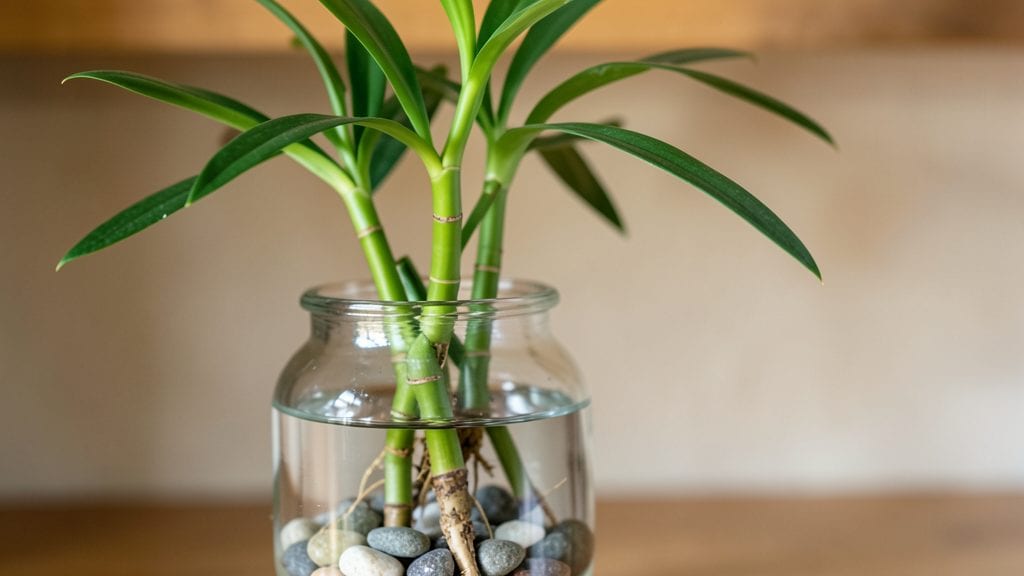
Planting black bamboo fast means roots dive deep within weeks, not years. 🌱 I’ve seen this striking bamboo—with its glossy black canes—take hold in just 4-6 weeks when planted right, whether in soil or water.
The secret lies in mimicking its natural habitat: rich, slightly acidic soil or still water that never dries out completely.
Start with a hole twice as wide as the root ball to encourage rapid root spread. Black bamboo thrives in partial shade to full sun, but in hot climates, afternoon shade prevents stress.
Water immediately after planting, then keep the soil consistently moist—never soggy—until new shoots appear. This is where beginners often fail: overwatering or planting too shallow slows growth.
📚 In This Guide
- What you need
- Instructions
- Tips and common mistakes
- Wrapping up and next steps
What you need
- ● Black bamboo rhizomes: 1-3 healthy, dormant rhizomes (3-6 inches long, with visible buds). Pro tip: Choose rhizomes with firm, plump nodes for faster rooting!
- ● Planting container (soil method): Large pot (10-15 gallons) with drainage holes or
- ● In-ground planting area (minimum 6 ft deep and wide for mature growth).
- ● Water container (water method): Wide-mouth bucket (5+ gallons) or
- ● Shallow tray (12+ inches deep) with fresh, chlorine-free water.
- ● Potting mix (soil method): 5-10 gallons of well-draining, nutrient-rich soil (60% loam, 30% perlite/sand, 10% compost).
- ○ Rooting hormone (optional but recommended): 1 small bottle (e.g., Clonex or similar).
- ● Pruning shears: Sharp, sterilized shears for trimming rhizomes.
- ● Garden trowel or shovel: For digging soil or containers.
- ○ pH test kit (optional): To check soil/water pH (ideal range: 6.0–7.0).
- ● Mulch (soil method): 2–3 inches of organic mulch (e.g., straw or wood chips) to retain moisture.
- ● Watering can or hose: For consistent moisture control.
- ● Sunlight: Partial shade to full sun (4–6 hours daily).
- ● Temperature: 60–85°F (avoid frost if planting outdoors).
- ● Water source: Fresh, chlorine-free water (let tap water sit 24 hours if chlorinated).
- ● Space: Minimum 6 ft apart for soil planting (black bamboo spreads aggressively!).
Step-by-Step instructions for planting black bamboo
Here's how to get your black bamboo established quickly—whether in soil or water.
🌱 Step 1: Prepare the Planting Site or Container
Black bamboo thrives in moist, well-draining conditions, so start by selecting a spot with partial shade to full sun—morning sun with afternoon shade works best in hot climates. If planting in soil, dig a hole twice as wide as the root ball but only as deep as the container it came in. This prevents root suffocation.
For water planting, use a container with at least 10 gallons of capacity—black bamboo grows aggressively and needs space. Fill the container with dechlorinated water (let tap water sit out for 24 hours) and ensure the water level covers 1/3 to 1/2 of the root ball at all times. Never let roots dry out completely.
🪴 Step 2: Plant and Secure the Bamboo
Remove the bamboo from its container and gently loosen the roots if they’re tightly bound. Place it in the prepared hole or container, ensuring the top of the root ball sits 1 inch below soil level (or water level). This prevents stem rot from sitting water.
Backfill the hole with native soil mixed with compost for better moisture retention, or simply submerge the container in water if planting hydroponically. Press the soil lightly around the base to eliminate air pockets, then water deeply to settle everything. If planting in water, secure the container in a stable spot—black bamboo can grow 6-12 feet tall and may tip over in strong winds.
💧 Step 3: Maintain Moisture for Fast Root Establishment
Black bamboo roots establish quickly when kept consistently moist. In soil, water every 2-3 days until the top 2 inches of soil feel damp—more frequently in hot, dry weather. Mulch with 2-3 inches of organic mulch to retain moisture and suppress weeds, but keep mulch 6 inches away from the stem to prevent rot.
For water planting, top off the container with fresh, dechlorinated water weekly or whenever the level drops below 1/3 of the root ball. Change 20-30% of the water every 2 weeks to prevent mineral buildup, which can stunt growth. You’ll see new shoots emerge within 4-6 weeks if conditions are ideal.
☀️ Step 4: Monitor Light and Adjust as Needed
Black bamboo tolerates shade but grows fastest in bright, indirect light. If leaves start yellowing or growing leggy (stretched and weak), move the plant to a sunnier spot. In containers, rotate the plant quarter-turn weekly so it grows evenly rather than leaning toward the light.
Watch for signs of stress: brown leaf tips mean the air is too dry (increase humidity with a pebble tray), while drooping leaves signal underwatering. Black bamboo is forgiving but won’t recover if roots dry out completely—keep soil or water levels consistent for the first 8-12 weeks to ensure strong establishment.
✂️ Step 5: Prune and Divide for Controlled Growth
Once established, black bamboo grows rapidly, so prune 1/3 of the oldest canes annually in early spring to encourage new growth. Cut just above a node (the bump where leaves emerge) to prevent disease. If planting multiple canes, space them 3-4 feet apart to avoid overcrowding.
For water planting, divide clumps every 2-3 years by carefully separating roots with a clean knife. Replant divisions in fresh water or soil to keep growth vigorous. With proper care, your black bamboo will establish roots quickly and provide lush, fast-growing privacy or accent within 1-2 growing seasons.
Tips & tricks for fast black bamboo establishment
These insider strategies will help your black bamboo take root quickly and grow vigorously—whether you're planting in soil or water.
The Water Prep Secret: Don't rush the dechlorination process! The 24-hour wait for tap water to sit out is critical—chlorine can harm delicate roots. For even faster results, use bottled spring water or a water dechlorinator. I've seen black bamboo roots establish 2-3 weeks faster when planted in properly dechlorinated water.
Root Ball Strategy: When loosening roots in Step 2, focus on the outer edges—this encourages faster root spread into the soil or water. Avoid tearing the roots; instead, gently tease them apart with your fingers. The goal is to create a more open root structure that can absorb moisture and nutrients quickly, which is key for that fast establishment we're after.
Moisture Consistency Hack: For soil planting, use a moisture meter or your finger to check dampness—aim for soil that feels like a wrung-out sponge. In water planting, maintain that 1/3 to 1/2 root ball coverage religiously. I've found that using a clear container lets you visually monitor water levels without guessing, which prevents both underwatering and overwatering—both kill root growth.
Light Rotation Technique: That quarter-turn weekly rotation in Step 4 isn't just about even growth—it actually stimulates faster root development. The slight stress from changing light exposure triggers hormonal responses that accelerate root expansion. Just be consistent with the timing to avoid confusing your plant.
Pro Tips for Black Bamboo Planting
- These insider strategies will help your black bamboo take root quickly and grow vigorously—whether you're planting in soil or water.
- The Water Prep Secret: Don't rush the dechlorination process!
- Root Ball Strategy: When loosening roots in Step 2, focus on the outer edges—this encourages faster root spread into the soil or water.
Frequently asked questions
Got questions about planting black bamboo? You’re not alone!
Here are answers to the most common concerns—whether you’re a beginner or a seasoned gardener looking to refine your approach.
Can black bamboo grow in containers or just in the ground?
Black bamboo (Phyllostachys nigra) thrives in soil but can also grow in large containers (15+ gallons) with well-draining potting mix. Use a root barrier if planting near property lines to prevent spreading. Containers work well for small spaces but require regular watering and winter protection in cold climates.
How long does it take for black bamboo to establish roots?
Black bamboo roots establish quickly—within 2–4 weeks in ideal conditions (moist, well-drained soil, partial shade). For faster growth, soak roots in water for 1–2 hours before planting. In containers, roots may take slightly longer (4–6 weeks) due to limited space.
Is black bamboo hard to maintain? What’s the biggest challenge?
The biggest challenge is controlling spread. Plant in clumping varieties (like ‘Boryana’) or use underground root barriers (30" deep). Prune suckers regularly, and avoid overwatering—soggy soil invites pests. Mulch helps retain moisture without smothering roots.
Can I plant black bamboo in water like other bamboo types?
While some bamboo grows in water, black bamboo prefers soil. Its roots need oxygen, and prolonged waterlogging causes rot. However, you can pre-soak roots in water for 1–2 hours before planting to kickstart growth. For hydroponic setups, opt for water-friendly varieties like Bambusa multiplex.
Does black bamboo survive winter? How do I protect it?
Black bamboo tolerates USDA Zones 5–10. In colder zones (below 10°F), mulch heavily (6+ inches) and wrap young plants in burlap. Avoid pruning in late fall—wait until early spring to trim dead canes. Containers may need insulation or moving indoors for extreme freezes.
Pro Tip:
Test your soil first!
Black bamboo prefers slightly acidic to neutral pH (6.0–7.0). Use a soil test kit ($10–$20) to adjust with lime (raise pH) or sulfur (lower pH) before planting. Happy roots = faster growth!
Wrapping up and next steps
Planting black bamboo is a rewarding way to add privacy, beauty, and eco-friendliness to your space—whether in soil or water! 🌱 With its fast rooting ability and minimal upkeep, it’s perfect for beginners and seasoned gardeners alike.
Whether you’re reviving clumps, propagating cuttings, or creating a lush barrier, the key is patience and the right conditions.
Ready to grow your green thumb? Start small—try a single clump in a container or along a fence—and watch it thrive! For bigger projects, sketch a layout first to plan your bamboo’s spread. Your future bamboo oasis awaits—dig in! 🌿✨